
GHK-CU has become one of the most recognized peptides in regenerative and skin biology research. Scientists continue to investigate GHK-CU because of its unique relationship with cellular communication, tissue maintenance, and biological repair mechanisms. As peptide science expands, researchers are exploring how naturally occurring signaling molecules contribute to healthy cellular function and structural integrity.
Research into regenerative biology has grown rapidly during the past several years. Scientists now examine how individual peptides influence cellular activity, protein production, and communication between tissues. Within this evolving field, it has earned significant attention because of its broad scientific relevance and diverse research applications.
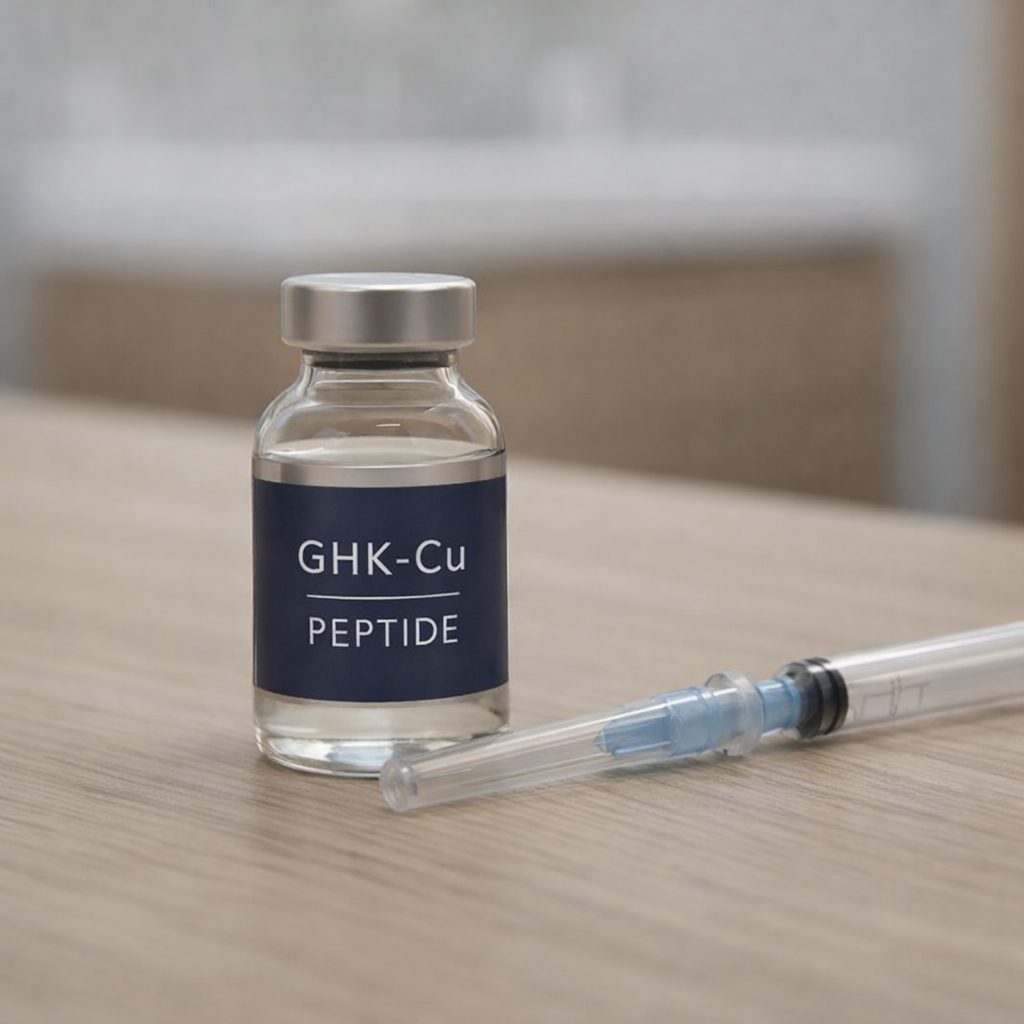
GHK-CU is a naturally occurring copper-binding peptide that exists in the human body. Researchers have studied this compound for decades because of its connection to cellular signaling and tissue-related biological processes. The peptide consists of three amino acids that bind to copper, creating a complex that researchers continue to investigate in laboratory settings.
Unlike many compounds that target only one biological pathway, GHK-CU appears to participate in several cellular processes. This versatility has made it a valuable research tool for scientists studying regenerative biology, skin science, and age-related cellular changes.
Scientists remain interested in GHK-CU because it participates in multiple biological systems rather than a single pathway. Researchers investigate how this peptide contributes to cellular communication, protein regulation, and tissue maintenance under different laboratory conditions.
Current studies examine how biological signaling influences structural proteins, cellular organization, and regenerative processes. These investigations help researchers understand the natural mechanisms that maintain healthy tissues throughout life.
As additional studies become available, scientific interest in this peptide continues to expand across several research disciplines.
Skin biology remains one of the most active areas of peptide research. Scientists continue exploring how signaling molecules support cellular organization and structural maintenance within skin tissue.
Research involving GHK-CU often focuses on biological pathways associated with collagen production, extracellular matrix organization, and cellular renewal. These processes are essential for maintaining healthy tissue structure and normal biological function.
By studying these pathways, researchers gain valuable insight into the complex communication systems that operate within the skin.
Regenerative science seeks to understand how tissues maintain their structure and respond to biological stress. Researchers investigate signaling molecules that influence communication between cells and help regulate tissue organization.
Within these investigations, GHK-CU has become an important research compound because of its association with several regenerative pathways. Scientists continue exploring how cellular signaling contributes to tissue maintenance and biological adaptation.
Every new study adds valuable information to the growing field of regenerative biology and peptide science.
Collagen is one of the most abundant structural proteins in the human body. Researchers continue studying the biological processes that regulate collagen production and organization throughout different tissues.
It has become an important subject in collagen research because scientists are interested in understanding how peptide signaling influences structural protein activity. These laboratory investigations help improve scientific knowledge of tissue biology without making conclusions beyond current research.
As regenerative science advances, collagen-related research continues to receive significant attention.
Reliable scientific investigations depend on consistent research materials. Laboratories working with GHK-CU prioritize compounds that meet high standards for purity, stability, and manufacturing consistency.
Researchers also recognize the importance of proper storage and handling procedures. These practices reduce experimental variation and support reproducible results across multiple studies.
Maintaining high research standards allows scientists to generate dependable data that contributes to future discoveries.
The future of GHK-CU research continues to look promising as peptide science evolves. Scientists are expanding investigations into cellular signaling, tissue biology, and regenerative mechanisms.
Future studies may provide additional insight into protein regulation, cellular communication, and age-related biological processes. As these discoveries continue, researchers expect interest in this peptide to remain strong across several scientific fields.
The expanding body of published research reflects the growing importance of regenerative science in modern biology.
GHK-CU remains one of the most widely researched copper peptides in regenerative science. Its association with cellular communication, collagen biology, and tissue maintenance has made it a valuable research compound for laboratories worldwide.
As scientists continue investigating the biological mechanisms that support healthy tissue function, this pe will likely remain an important focus in peptide research. Its broad scientific relevance ensures that it will continue contributing to future discoveries in regenerative biology.
GHK-CU is supplied strictly for laboratory research purposes only. It is not intended for human consumption, diagnosis, treatment, cure, or prevention of disease. All information provided is for educational and scientific research purposes only.