
Research grade peptides play a critical role in advancing modern scientific research. Whether used in biochemical studies, molecular investigations, or laboratory testing, high-quality research grade peptides help researchers achieve reliable and reproducible results. As scientific innovation continues to evolve, the demand for pure, accurately formulated peptides has never been greater.
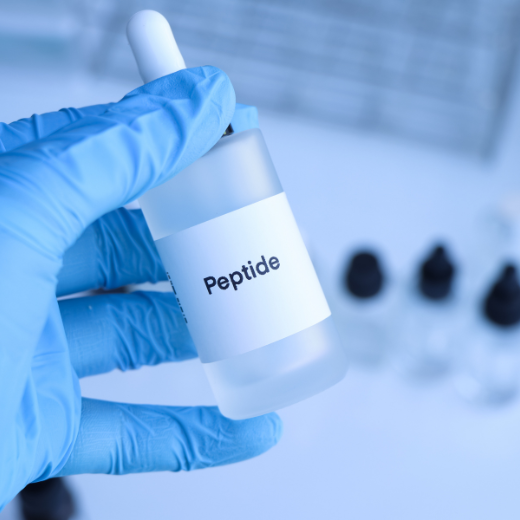
Peptides are short chains of amino acids that serve as important tools in scientific exploration. Researchers use these compounds to study biological processes, investigate cellular functions, and develop a deeper understanding of molecular interactions.
Research grade peptides are specifically manufactured for laboratory and experimental purposes. They undergo strict quality-control procedures to ensure purity, consistency, and reliability before reaching research facilities.
The quality of a peptide can directly impact the outcome of an experiment. Even minor impurities may affect research findings, making accurate analysis difficult.
High-purity research peptides offer several advantages:
For laboratories conducting complex studies, selecting peptides with verified purity is an essential part of maintaining research integrity.
Quality testing is a fundamental component of peptide manufacturing. Reputable suppliers implement multiple testing procedures to verify the identity, purity, and consistency of every batch.
Common quality-control practices may include:
These measures help ensure that researchers receive dependable materials for their scientific work.
Peptide research continues to contribute to advancements across numerous scientific disciplines. Researchers use peptides to explore:
Peptides help scientists investigate protein interactions and cellular communication pathways.
Research peptides support studies involving enzyme activity, metabolic processes, and molecular mechanisms.
Laboratories often utilize peptides when examining biological systems and developing new scientific hypotheses.
As scientific tools become more sophisticated, peptides remain valuable resources for experimental innovation and discovery.
When sourcing laboratory peptides, researchers should look for suppliers that prioritize:
Working with a trusted supplier helps ensure that research projects begin with dependable materials and accurate product information.
Scientific progress depends on precision, consistency, and integrity. Research grade peptides provide researchers with dependable compounds that support meaningful discoveries across a wide range of disciplines.
By choosing high-quality, thoroughly tested peptides, laboratories can maintain confidence in their experiments while contributing to the advancement of scientific knowledge.
Disclaimer: All products referenced are intended strictly for Research Use Only (RUO). They are not intended for human consumption, medical treatment, diagnostic procedures, or therapeutic use.
Vitale Peptide
📧 Email: vitaleincorporated@gmail.com
🌐 Website: www.vitalepeptide.com
📍 Location: Made in USA