
TB-500 has emerged as one of the most discussed peptides in modern recovery and regenerative science. Researchers continue to investigate TB-500 because of its potential involvement in cellular movement, tissue maintenance, and recovery-related biological pathways. As interest in peptide research expands, TB-500 remains a popular choice among laboratories seeking compounds with broad scientific applications.
The growing attention surrounding TB-500 is driven by ongoing studies exploring how peptides may support various aspects of tissue health and regeneration. Because of its unique characteristics, TB-500 continues to attract researchers from multiple scientific disciplines.
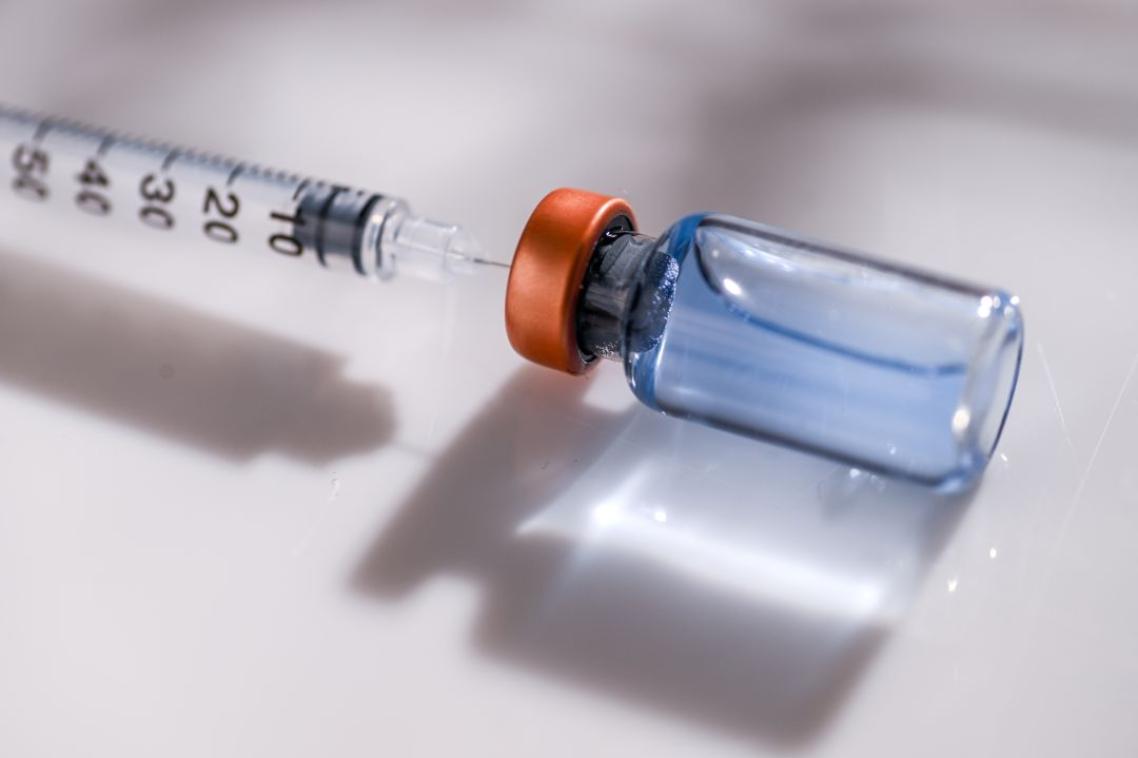
TB-500 is a synthetic peptide derived from a naturally occurring protein known as thymosin beta-4. Scientists have studied this compound for years because of its potential interaction with cellular communication pathways and tissue-support mechanisms.
Unlike many compounds that focus on a single biological target, this peptide is often investigated across multiple research areas, making it one of the most versatile options in recovery-focused studies.
One reason TB-500 continues to attract scientific interest is its association with cellular migration and tissue remodeling research. Scientists are examining how various biological pathways respond during maintenance and recovery processes.
Current areas of investigation include:
These broad applications have contributed to the increasing popularity of this compound within research environments.
Recovery science remains one of the fastest-growing areas of peptide research. Many laboratories utilize TB-500 in studies designed to better understand how tissues respond to physical stress and repair processes.
Researchers continue to evaluate potential interactions involving muscle tissue, tendons, ligaments, and connective structures. As a result, it is frequently included in experimental models focused on regeneration and recovery-related biology.
The continued popularity of this peptide reflects the strong scientific interest surrounding its potential applications.
Regenerative research seeks to understand how biological systems maintain and restore tissue function. Within this field, TB-500 has become a valuable compound due to its potential interaction with pathways involved in cellular activity and structural maintenance.
Studies often investigate:
These ongoing investigations continue to strengthen its position within modern peptide research.
Researchers often prioritize compounds that offer versatility and broad scientific relevance. TB-500 meets these criteria by being associated with multiple areas of ongoing investigation.
Many laboratories value this peptide because it is connected to:
For research teams seeking compounds with significant scientific attention, it remains a preferred option.
Successful research depends heavily on the quality of materials being used. Laboratories conducting studies involving TB-500 often prioritize products that meet strict standards for consistency and purity.
Important considerations may include:
Because research reliability matters, many scientists place significant importance on sourcing high-quality materials for laboratory investigations.
The scientific community continues to explore new applications for TB-500 across multiple disciplines. As peptide science advances, investigators are expected to further examine how this compound interacts with pathways involved in recovery, tissue maintenance, and regeneration.
The growing number of studies involving this peptide suggests that interest will likely continue for years to come.
TB-500 remains one of the most recognized and widely researched peptides in modern science. Its broad range of research applications, expanding body of literature, and continued scientific interest have helped establish it as a valuable compound for laboratories worldwide.
For researchers seeking a peptide with extensive research potential and widespread scientific attention, this compound continues to stand out as a compelling choice within recovery and regenerative studies.
TB-500 is supplied strictly for laboratory research purposes only. It is not intended for human consumption, diagnosis, treatment, cure, or prevention of any disease. All information provided is for educational and research purposes only.